
Utility Recovery Program for Apartments & Multifamily Properties
A utility recovery program helps apartment communities and multifamily property owners recover utility expenses by billing residents for their actual usage or allocating shared utility costs fairly. Instead of including water, sewer, gas, or electric costs in rent, a recovery program gives owners more control over expenses while encouraging residents to conserve resources. At Think Utility Services, we help multifamily communities implement utility cost recovery through submetering and RUBS billing programs designed for long-term efficiency and improved property performance.
What Is a Utility Recovery Program?
A utility recovery program allows property owners and managers to recover utility costs by assigning charges to residents based on measured consumption or a billing formula. For multifamily communities, utilities often represent one of the largest operating expenses after taxes and mortgage payments.
Recovering utility costs can help:
- Reduce owner-paid expenses
- Improve budget predictability
- Increase NOI
- Encourage water and energy conservation
- Reduce exposure to rising utility rates
- Create more transparency for residents
A properly structured utility recovery program can also help properties stay competitive by giving management more flexibility with budgeting and rent planning.
In 2020, the multifamily industry faced new challenges and costs. As we were ordered to stay home, utility consumption increased dramatically. Combined with rate hikes early in the year, this resulted in utility expenses that were much larger than many had budgeted for. There are two examples why residents should pay their own utility expensise. The first is that waste occurs when we use services we don’t pay for. Lower AC settings, longer showers, lights left on are all symptoms of not understanding the true cost of service. When people pay the bill for their consumption, they naturally tend to conserve.
It’s not uncommon to see a reduction in utility bills 20% once a utility recovery program goes into effect. The second case for charging residents for their utilities is that it reduces the owners liability and provides insulation against fluctuating usage and rates, and it gives owners more control over their pricing matrix. If residents are paying utilities and the vacancy rate creeps up, it’s easier to reduce rental rates or provide an incentive without feeling as much of a pinch. Utility billing increases NOI as much as $40-$120 per unit per month, and cap rate as a result. A property for sale with a recovery program will price out higher than a comparable without utility recovery.
How To Capture Data For Your Utility Recovery Program
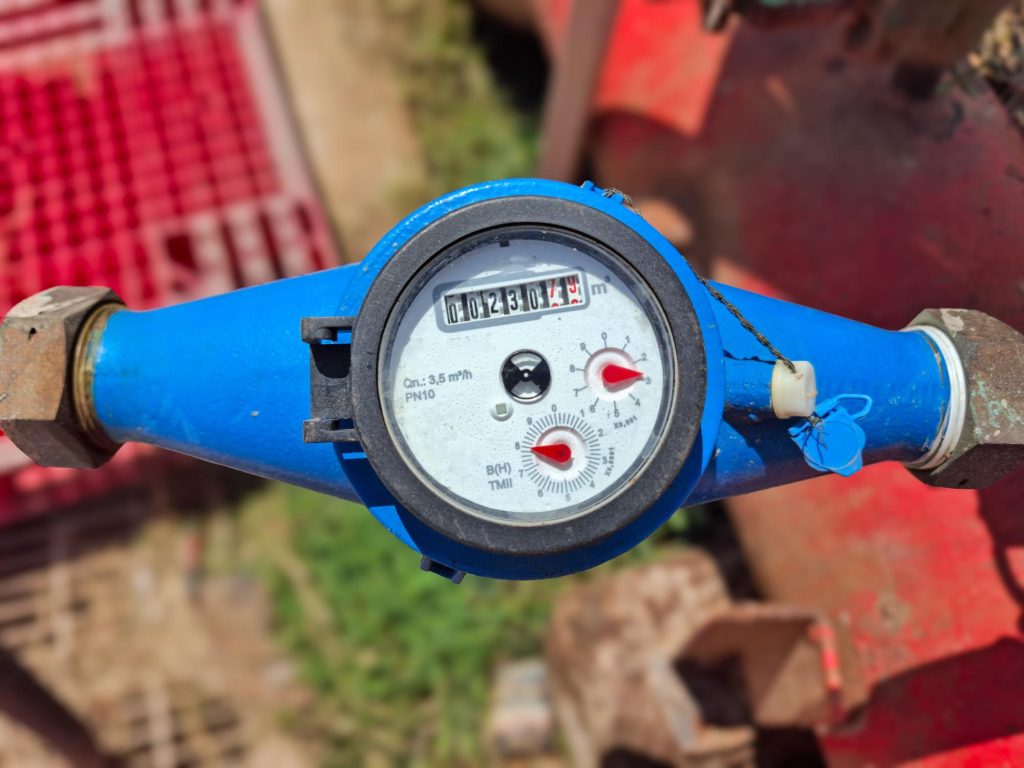
Two ways to capture the data needed for billing your residents for utilities are submetering and RUBS. Let's begin with submetering. Submetering involves installing a meter between the master meter and the resident’s unit. Submeters provide a fast ROI, often under 6 months. When submeters cannot be installed, a ratio utility billing program may be a good alternative.
RUBS programs are a good method for allocating utility expenses in communities built before 1980 due to older plumbing configurations that may render submetering impossible or expesive. RUBS will provide an goal for residents to save on utilities since they are now paying a bill. Over time, utility billing decreases by 20% in under 6 months.

Providing Water, Electric and Gas Submetering and Utility Billing
For Information About Submetering & Utility Billing
