Amazing Reviews From Property Managers
November 5, 2020
Water Saving Products And Procedures For Multifamily Buildings
January 29, 2021
The History of Utility Submetering: From Denmark to Modern Multifamily Properties
Utility submetering may seem like a modern technology, but its roots go back more than a century. What began with early heating controls in Denmark eventually evolved into the sophisticated water, gas, and electric submetering systems used by multifamily properties today.
The history of submetering is connected to a simple idea: measure individual consumption so utility costs can be allocated more accurately and residents can better understand how much they use.
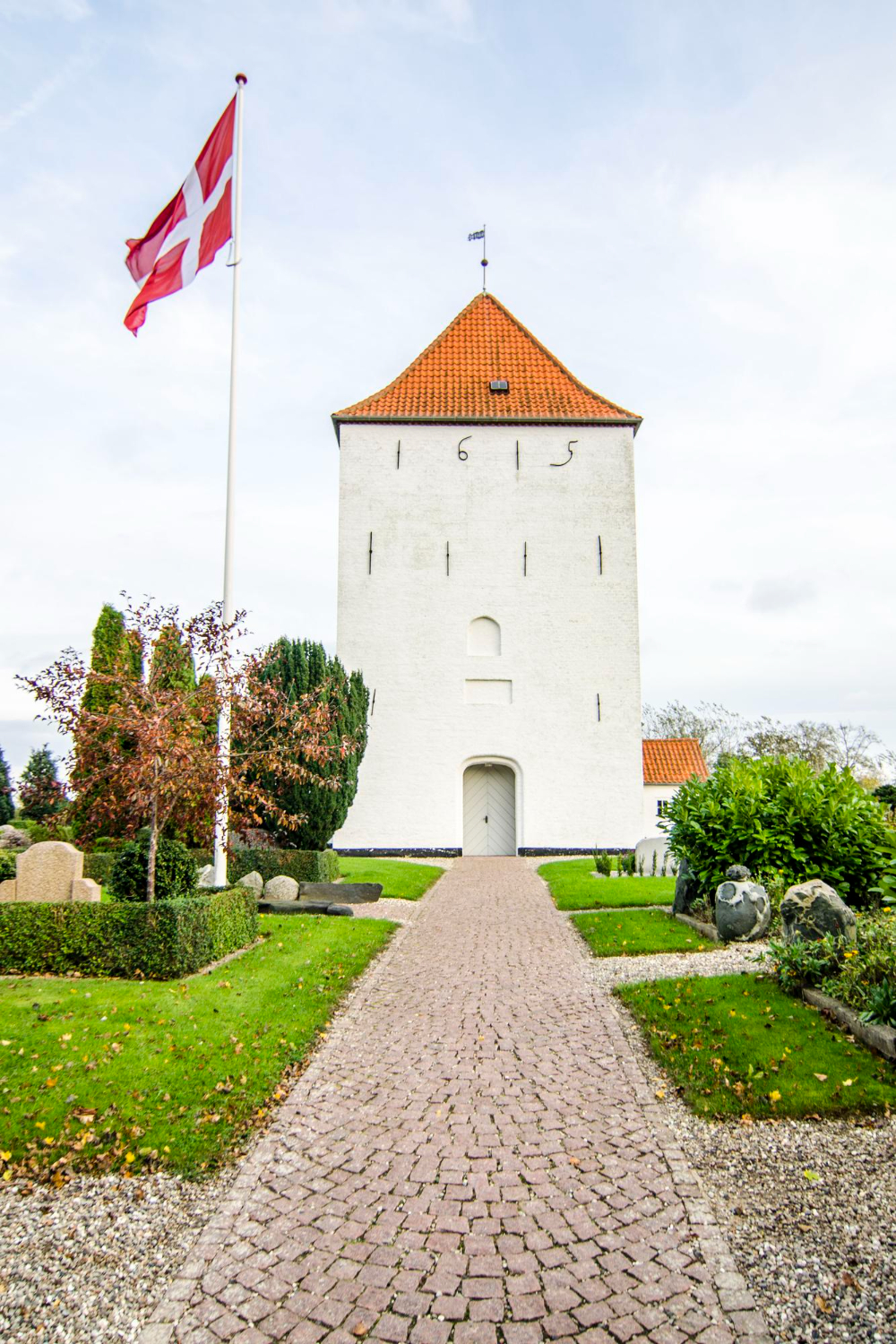
The Danish Roots of Utility Submetering
The story begins in Denmark in 1902 with two brothers, Axel and Odin Clorius, who founded what became known as Clorius Controls.
The company initially focused on developing self acting temperature controllers designed to improve heating systems and make the distribution of heat more efficient. While this was not submetering in the modern sense, the technology laid important groundwork for the way individual energy consumption could eventually be measured and managed.
The connection to utility submetering became more direct in 1924, when Clorius received a patent for a heat cost allocator. The device was designed for apartment buildings that shared a common boiler heating system. Rather than treating the building's heating consumption as one expense, the technology helped determine how much heat individual apartments were using.
This represented an early form of consumption based utility allocation. Instead of simply dividing a building's total heating costs among residents, property owners could use individual consumption information to create a more specific allocation of costs.
From Heat Allocation to Modern Submetering
Early heat cost allocation was different from the water and electric submeters commonly used today, but the underlying concept was similar. A property could share a central utility system while still measuring consumption at the individual apartment or unit level.
As metering technology improved, the concept expanded throughout Europe and eventually into other parts of the world. Mechanical meters became more accurate, electronic metering technology was introduced, and remote meter reading eventually made it possible to collect consumption information without manually reading every device.
Over time, the same basic principles used to measure heating consumption were applied to other utilities, including electricity, natural gas, and water.
The Energy Crisis Accelerates Submetering
Although the concept of individual utility measurement had existed for decades, submetering became increasingly important during the energy crises of the 1970s.
As energy prices increased, property owners, governments, and residents had a greater incentive to understand exactly how energy was being consumed. Submetering provided a practical way to create greater visibility into individual usage.
Instead of treating an entire property as a single consumption point, individual apartments could be measured separately. This not only provided more information for billing but also encouraged residents to become more conscious of their consumption.
The concept gradually expanded beyond heating to include electricity and natural gas, creating the foundation for the broader utility submetering industry we know today.
Water Submetering Gains Momentum
Water submetering became particularly important in the United States as water and wastewater costs increased.
Many multifamily properties traditionally relied on a master water meter that measured consumption for the entire community. The property owner received the utility bill, even though the majority of the water was being consumed by individual residents.
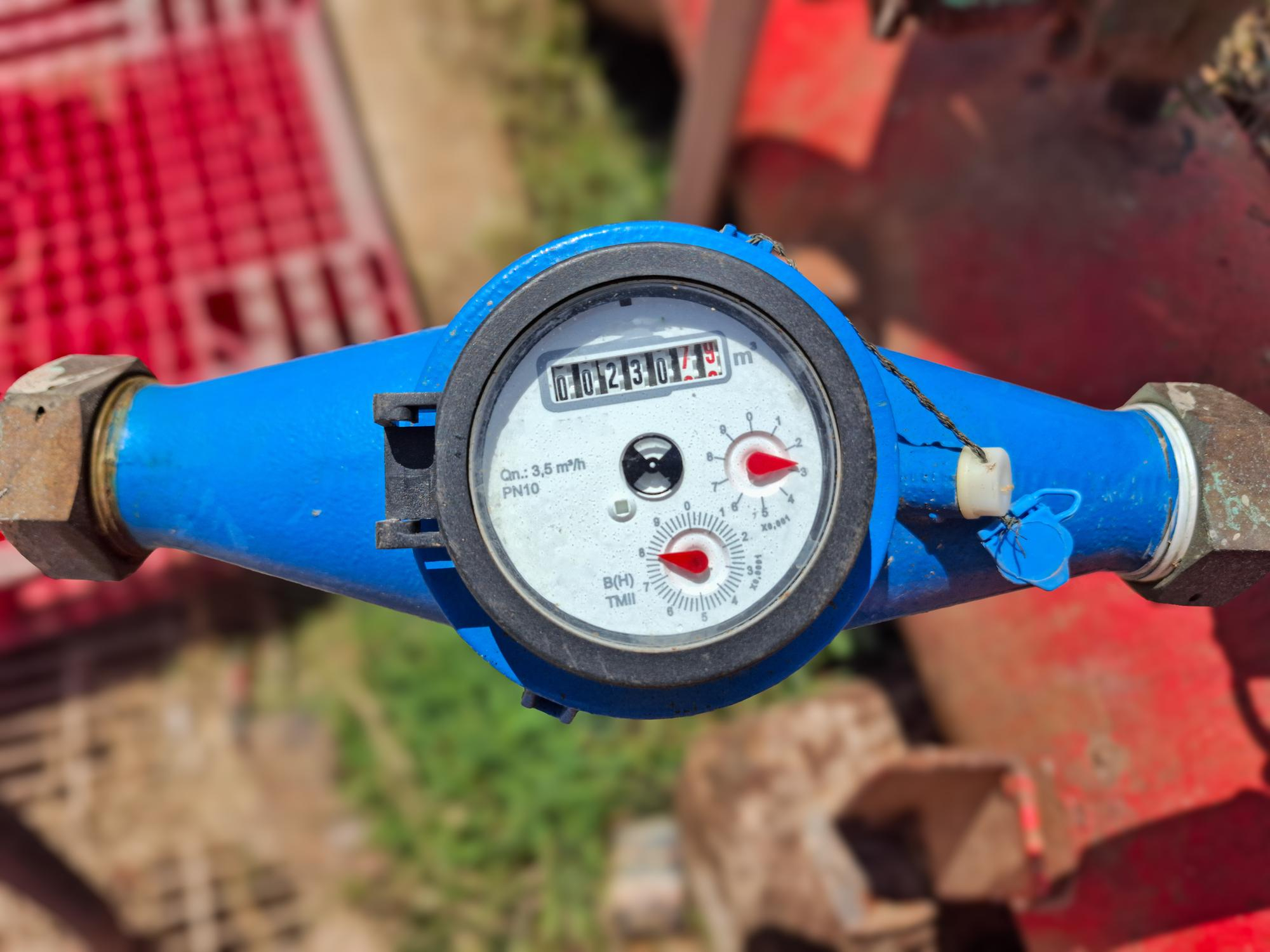
Individual water submeters provided another option. By measuring consumption at the apartment level, property managers could better understand how water was being used throughout the community and, where permitted, allocate utility costs according to individual consumption.
This also changed the relationship between residents and utility usage. Instead of viewing water as an unlimited resource included with rent, residents could see how their personal consumption contributed to their utility expenses.
The Evolution of Meter Reading Technology
Early submetering systems required physical meter readings. Someone had to visit the property, record the readings, and manually process the information.
Technology eventually transformed that process. Electronic meters, automatic meter reading systems, wireless technology, and cloud based software made it possible to collect and process utility data much more efficiently.
Modern utility billing systems can take meter data and turn it into detailed billing information for both residents and property managers. These systems can also help identify unusual consumption patterns.
For example, a sudden increase in water consumption could indicate a potential leak. Identifying unusual usage earlier can give property managers an opportunity to investigate the problem before it becomes a much larger expense.
Submetering Today
Today, utility submetering can include water, gas, and electric metering depending on the property, its infrastructure, and applicable regulations.
Modern submetering gives property owners and managers greater visibility into utility consumption while helping residents understand how their usage affects their utility costs.
The technology has come a long way since the early heating systems of the 1900s. What began with temperature control and early heat allocation has evolved into sophisticated utility management systems capable of collecting and processing data from thousands of individual meters.
From 1902 to the Modern Multifamily Industry
The history of utility submetering demonstrates how a relatively simple idea has evolved alongside technology.
In 1902, Axel and Odin Clorius established a company focused on heating controls in Denmark. More than two decades later, their company developed technology that helped allocate heating costs among individual apartments in buildings with shared heating systems.
That early development is important because it reflects the same fundamental principle behind modern submetering: measure consumption at the individual level so utility usage can be better understood and costs can be allocated more effectively.
Today, submetering has expanded far beyond heating. Water, gas, and electric submeters play an important role in utility management for apartments, condominiums, mobile home communities, RV parks, resorts, and other properties.
For property owners and managers, submetering is no longer simply about reading a meter. It has become a tool for improving utility management, encouraging conservation, increasing transparency, identifying potential problems, and helping properties better control utility expenses.
The Future of Submetering
The next chapter of submetering will likely be driven by smarter meters, real time data, automation, artificial intelligence, and increasingly sophisticated utility management platforms.
More than 120 years after the founding of Clorius Controls, the basic objective remains remarkably similar: use better information to manage energy and resources more efficiently.
The technology has changed dramatically, but the goal has not.
For today's multifamily property owners and managers, utility submetering represents the continued evolution of an idea that began more than a century ago in Denmark and has grown into an essential part of modern utility management.