
Seven Essential Tips to Prepare Your Community for the Summer
April 17, 2026
How AI Is Transforming Utility Billing for Apartment Communities in 2027
August 6, 2026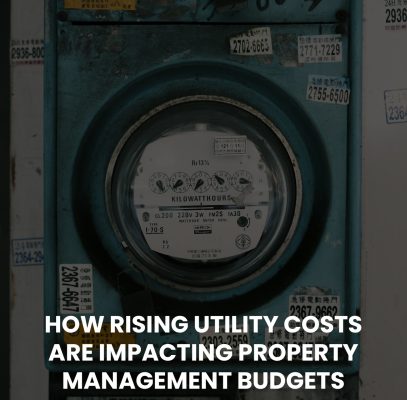
How Rising Utility Costs Are Impacting Property Management Budgets
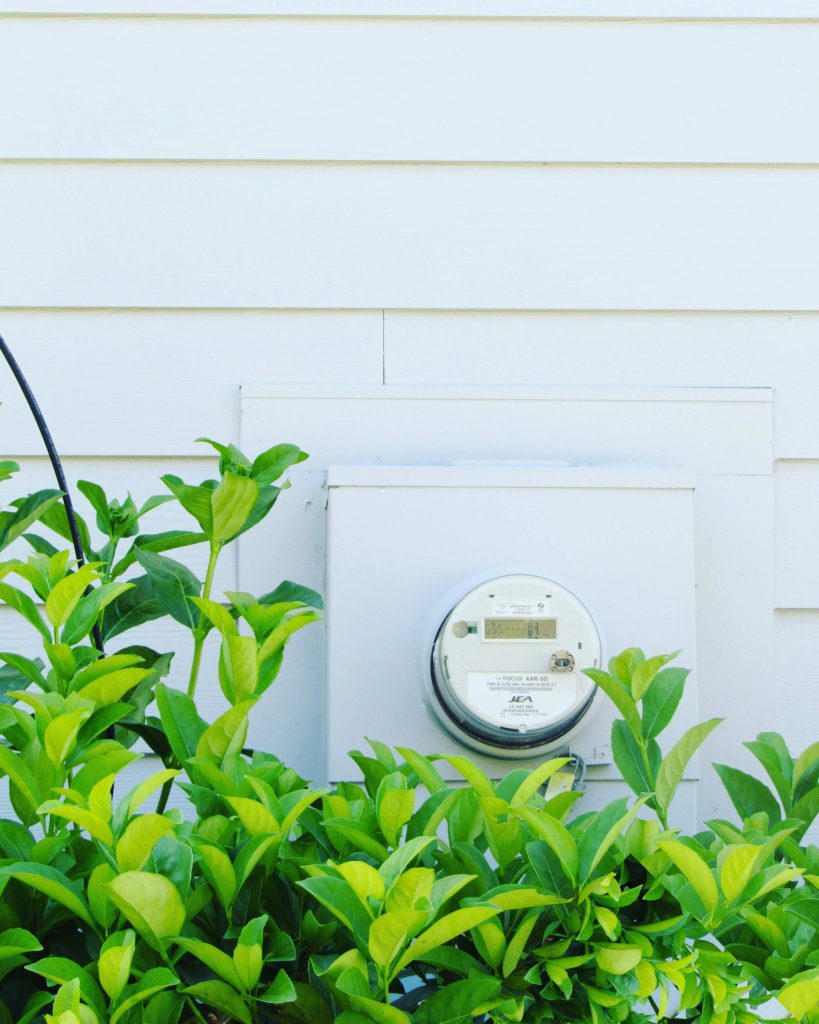
Across apartment communities and condominium associations, what was once a predictable operating expense has become increasingly volatile. Electricity, water, and waste service rates are climbing under the weight of aging infrastructure, higher production costs, and continued demand. For property managers, this shift is not merely an inconvenience. It is a structural change that is forcing a reassessment of how budgets are built and maintained.
The impact is most visible in operating margins. As utility expenses rise, they begin to erode net operating income, particularly in properties where costs are bundled into rent or assessments. In these cases, owners often absorb the increases without a corresponding rise in revenue. Even when costs can be passed through, delays and limitations in billing structures create gaps that are difficult to close. Over time, these incremental pressures accumulate, reducing financial flexibility and complicating long term planning.
Budgeting, once a relatively stable exercise, has become far less predictable. Utility rate adjustments can occur with little notice, and consumption patterns are increasingly influenced by inconsistent weather and usage trends. This unpredictability leaves property managers balancing competing risks: underestimating expenses and facing shortfalls, or overcorrecting and placing additional strain on residents. The margin for error has narrowed, and the consequences of miscalculation have grown more significant.