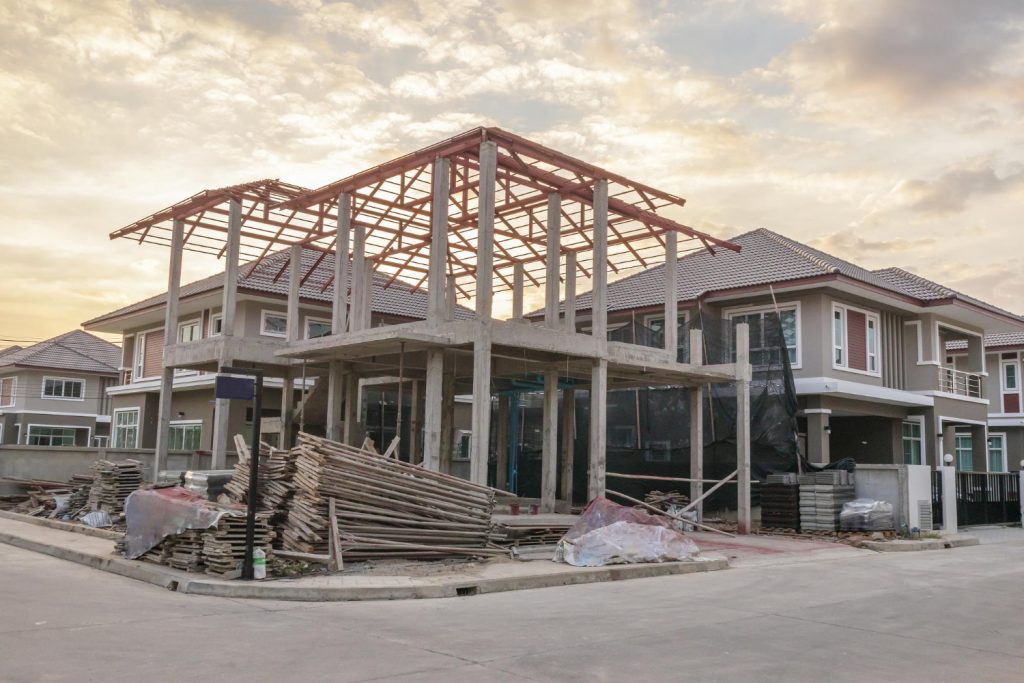

Why More Developers Are Installing Submetering During New Construction in 2027 Hero Image

Why More Developers Are Installing Submetering During New Construction in 2027

September 4, 2026
Why More Developers Are Installing Submetering During New Construction in 2027 Hero Image

Why More Developers Are Installing Submetering During New Construction in 2027

September 4, 2026
Show all
2027 Condominium Association Budget Planning: How Submetering and Utility Billing Can Help Control Costs

2027 Condominium Association Budget Planning: How Submetering and Utility Billing Can Help Control Costs

How Condominium Associations Can Reduce Utility Costs Through Submetering and Utility Billing in 2027

2027 Condo Association Budget Planning: How Submetering and Utility Billing Can Help Control Costs

As condominium associations prepare their 2027 budgets, financial planning requires more than projecting maintenance expenses and accounting for insurance premiums. Boards and community association managers must also evaluate how utilities are measured, allocated, billed, and managed across their properties.

Water, sewer, gas, and electricity can represent significant operating expenses, particularly in communities where utilities are purchased centrally or individual unit consumption is not separately measured. When utility expenses are difficult to track at the unit level, associations may have limited visibility into consumption patterns and fewer opportunities to identify inefficiencies.

Submetering and professional utility billing can help condominium communities improve that visibility. By measuring individual unit consumption where infrastructure and applicable requirements allow, associations can make more informed decisions about utility cost allocation, resident billing, and long-term operating expenses.

Why Utility Expenses Deserve a Closer Look in 2027

Condominium budgets must balance daily operating expenses with the long-term financial responsibilities of maintaining shared property. Utility costs deserve careful attention because consumption can vary throughout a community, while the way those expenses are allocated can affect both the association's finances and residents' monthly costs.

For properties operating with a master meter, the utility provider generally measures consumption for the property as a whole. The association or another responsible party must then determine how the expense is handled under the condominium's governing documents, applicable law, and existing utility arrangements.

Depending on the property's configuration, a community may allocate expenses through assessments or another permitted billing arrangement. However, without unit-level consumption data, it can be difficult to determine how much water or energy individual units actually use.

For the 2027 budgeting cycle, condominium boards should review their existing utility arrangements and ask several important questions:

  • Are utility expenses tracked and allocated accurately?

  • Does the association have reliable information about individual unit consumption?

  • Are leaks, unusual usage, or recurring billing discrepancies being identified?

  • Could metering or billing changes improve administrative efficiency?

  • Would an investment in submetering produce a reasonable financial return?

Answering these questions can help boards identify potential improvements before committing to a new budget or a major infrastructure project.


How Submetering Can Improve Utility Cost Visibility

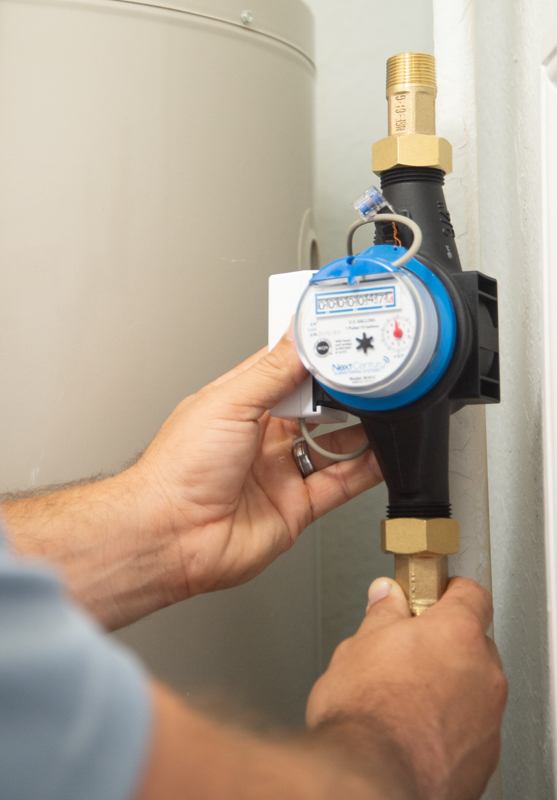
Submetering measures utility consumption at individual units or designated areas within a property. Depending on the building's infrastructure, submeters can be used to measure water, gas, or electricity.

Unlike a master meter, which measures consumption for the entire metered property, submeters provide more detailed information about usage within the community.

For condominium associations, that information can support several operational objectives.

Better consumption tracking. Unit-level readings give associations and their utility billing providers more detailed information about usage. This can help identify unusual consumption patterns that warrant further investigation.

More informed cost allocation. Where permitted by applicable law and the condominium's governing documents, individual consumption data can support usage-based billing instead of relying entirely on a shared allocation method.

Improved leak awareness. Unexpected changes in water consumption may indicate a potential leak or another issue that requires attention. Meter data can help identify areas that warrant inspection, although it does not independently confirm the cause.

Greater accountability. When residents receive bills based on measured consumption, they may have a clearer understanding of how their usage relates to their individual utility charges.

The financial benefits depend on the property, installation requirements, utility rates, operating costs, and billing structure. Associations should evaluate these factors before assuming that submetering will reduce total expenses.

For more information, condominium boards can explore Think Utility Services' water submetering services, gas submetering services, and electrical submetering services.

Utility Billing: Turning Meter Data Into a Manageable Process

Installing submeters is only one part of a utility management strategy. Meter readings must also be collected, processed, reviewed, and translated into accurate bills.

For condominium associations, managing this process internally can introduce additional administrative responsibilities. Depending on the property's setup, staff may need to coordinate readings, maintain account records, address billing questions, and reconcile charges with utility expenses.

Professional utility billing services can help organize these responsibilities into a more consistent process.

A utility billing provider may support meter-reading coordination, consumption calculations, monthly invoice preparation, billing administration, and resident account inquiries. The specific services depend on the provider's agreement with the association or property manager.

When evaluating a billing arrangement, boards should look beyond the monthly service fee. They should also consider the time required to administer billing internally, the availability of consumption records, the process for resolving discrepancies, and how the provider communicates with residents.

The objective is to establish a process that is accurate, transparent, and appropriate for the property's needs.

Think Utility Services provides utility billing services for properties seeking support with utility billing and account management.

Building a 2027 Budget Around the Full Cost of Submetering

Before approving a submetering project, condominium boards should evaluate the complete financial picture. The initial installation price is important, but it should not be the only consideration.

A comprehensive review should include:

Installation and equipment. Determine the cost of meters, installation labor, wiring or plumbing modifications, communication equipment, and any necessary access to individual units.

Ongoing meter maintenance. Account for equipment servicing, troubleshooting, replacement needs, and the cost of addressing inaccurate readings or failed devices.

Utility billing fees. Review monthly service charges, per-account fees, payment processing costs, and any additional administrative expenses.

Potential operating benefits. Estimate whether better consumption data, reduced manual administration, improved leak awareness, or a different permitted billing structure could create measurable financial benefits.

Implementation requirements. Consider resident notifications, access to units, construction schedules, applicable approvals, and the requirements of local utility providers.

Associations should also determine whether the project requires changes to existing utility infrastructure or coordination with licensed contractors and other service providers.

A realistic financial assessment should compare the total cost of implementation and ongoing operation against the expected benefits over an appropriate evaluation period.

A Simple Example of Submetering ROI

Consider a hypothetical condominium association evaluating whether to install water submeters.

Assume the proposed project costs $30,000, and the association estimates that improved utility management and administration could produce $8,000 in annual net financial benefits after recurring operating costs.

Under these assumptions, the simple payback period would be approximately 3.75 years.

This is an illustrative calculation, not a projected result for every condominium community. Actual benefits will vary, and associations should avoid counting utility charges shifted from one party to another as savings to the community as a whole.

The example demonstrates why boards should request property-specific estimates before making a financial commitment.

Florida Condominium Associations: Budgeting Requires More Than Utility Savings

For Florida condominium associations, utility planning must be considered alongside broader statutory and financial responsibilities.

Florida Statutes Section 718.112 addresses condominium association budgets, reserve funding, and structural integrity reserve studies. Associations should review the current requirements and consult qualified professionals when evaluating their financial plans.

The official 2026 Florida Statutes, Section 718.112 provides information about annual budgets and applicable reserve requirements. The Florida Department of Business and Professional Regulation also publishes condominium association FAQs addressing budgets, reserves, and related responsibilities.

Submetering should not be viewed as a replacement for required reserve funding, building maintenance, or other statutory obligations. Instead, it can be evaluated as one component of a broader operating strategy.

Boards should also confirm that any proposed utility billing arrangement complies with applicable law, governing documents, utility provider requirements, and any relevant restrictions on how charges may be allocated to unit owners.

Because requirements can change, associations should verify the rules applicable to their specific property when preparing their 2027 budgets.

Questions Condo Boards Should Ask Before Choosing a Utility Billing Provider

Selecting a submetering and utility billing partner requires more than comparing installation quotes. Boards should evaluate the provider's experience, service capabilities, reporting practices, and ability to support the property's long-term needs.

Before signing an agreement, consider asking:

  • Does the provider have experience with condominium associations and shared-meter properties?
  • Can it support the property's existing water, gas, or electrical metering infrastructure?
  • What meter-reading, billing, and reporting services are included?
  • How are billing disputes and unusual consumption readings handled?
  • What are the installation costs, recurring fees, and contract terms?
  • What information will the association receive to evaluate utility consumption and expenses?
  • Can the provider accommodate future equipment upgrades or changes in the community's needs?

Associations should also establish clear expectations for service levels, data access, resident communications, and responsibility for troubleshooting.

A well-defined agreement can help the board understand what it is purchasing and how the arrangement will operate after implementation.

Preparing Your Condominium Community for 2027

Effective utility planning begins with understanding the property's current expenses and identifying opportunities for improvement. Before finalizing the 2027 budget, condominium boards should review utility bills, examine their existing metering arrangements, and determine whether they have enough consumption data to make informed decisions.

For some communities, the best approach may be to improve the existing billing process. Others may benefit from a feasibility study, a meter replacement project, or the installation of submeters where the infrastructure and financial case support the investment.

The important step is to evaluate the options using reliable data, realistic cost estimates, and a clear understanding of the association's responsibilities.

Submetering and professional utility billing will not eliminate every utility expense or guarantee lower assessments. However, when appropriately designed and implemented, they can give condominium associations better information for managing consumption, allocating eligible costs, and planning future operating expenses.

As boards look ahead to 2027, a closer review of utility management can be a practical step toward greater financial visibility and more informed property operations.

Evaluate Your Condominium's Submetering and Utility Billing Options

Think Utility Services works with multifamily properties and condominium communities to support submetering, utility billing, and related meter services.

If your association is reviewing its utility management strategy for 2027, our team can help you explore the available options and determine what may be appropriate for your property.

Visit Think Utility Services to learn more about our services or request a quote.