Why More Developers Are Installing Submetering During New Construction in 2027
September 4, 2026
2027 Condominium Association Budget Planning: How Submetering and Utility Billing Can Help Control Costs
2027 Condo Association Budget Planning: How Submetering and Utility Billing Can Help Control Costs
As condominium associations prepare their 2027 budgets, financial planning requires more than projecting maintenance expenses and accounting for insurance premiums. Boards and community association managers must also evaluate how utilities are measured, allocated, billed, and managed across their properties.
Water, sewer, gas, and electricity can represent significant operating expenses, particularly in communities where utilities are purchased centrally or individual unit consumption is not separately measured. When utility expenses are difficult to track at the unit level, associations may have limited visibility into consumption patterns and fewer opportunities to identify inefficiencies.
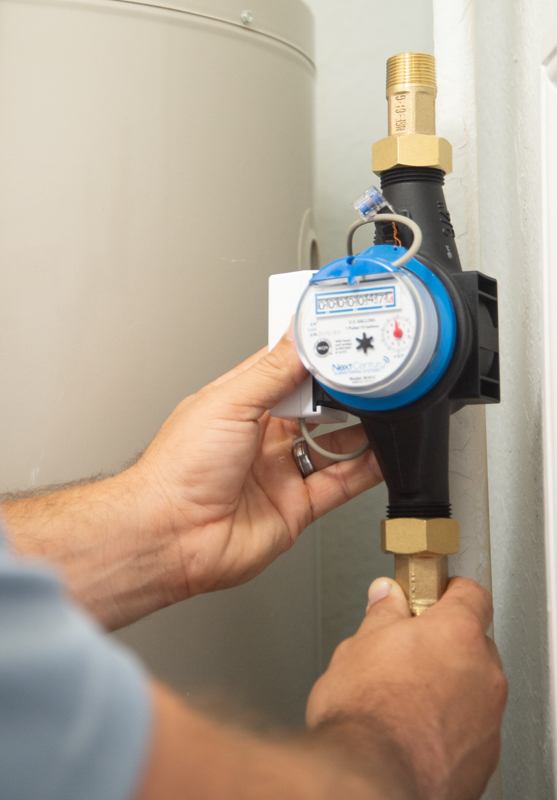
Submetering and professional utility billing can help condominium communities improve that visibility. By measuring individual unit consumption where infrastructure and applicable requirements allow, associations can make more informed decisions about utility cost allocation, resident billing, and long-term operating expenses.
Why Utility Expenses Deserve a Closer Look in 2027
Condominium budgets must balance daily operating expenses with the long-term financial responsibilities of maintaining shared property. Utility costs deserve careful attention because consumption can vary throughout a community, while the way those expenses are allocated can affect both the association's finances and residents' monthly costs.
For properties operating with a master meter, the utility provider generally measures consumption for the property as a whole. The association or another responsible party must then determine how the expense is handled under the condominium's governing documents, applicable law, and existing utility arrangements.
Depending on the property's configuration, a community may allocate expenses through assessments or another permitted billing arrangement. However, without unit-level consumption data, it can be difficult to determine how much water or energy individual units actually use.
For the 2027 budgeting cycle, condominium boards should review their existing utility arrangements and ask several important questions:
Are utility expenses tracked and allocated accurately?
Does the association have reliable information about individual unit consumption?
Are leaks, unusual usage, or recurring billing discrepancies being identified?
Could metering or billing changes improve administrative efficiency?
Would an investment in submetering produce a reasonable financial return?
Answering these questions can help boards identify potential improvements before committing to a new budget or a major infrastructure project.